guide
How Booking Fast Track in Vietnam Works
What a fast track provider needs from you, how far ahead to book, and what actually changes if your flight details shift before you fly.
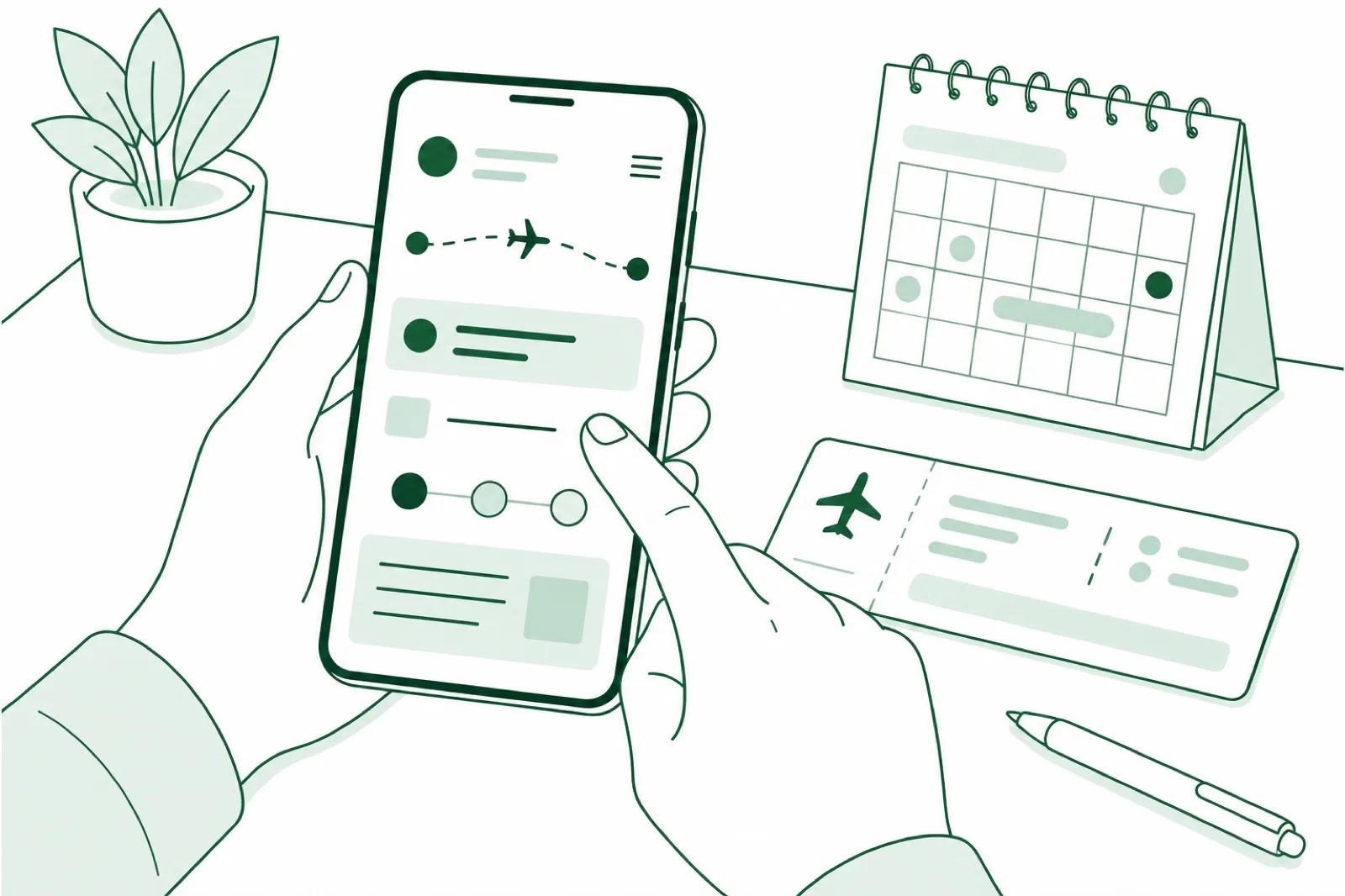
What a booking actually reserves
Booking fast track at a Vietnamese airport reserves a seat in an escorted priority service, not a change to how the airport itself operates. Every traveller still clears the same passport control, baggage claim and customs channels as everyone else on the flight; what a booking buys is a staff member meeting you at the right point and walking the process with you, moving you through the normal queue structure faster than joining it alone. For the full picture of what that process covers end to end, the Vietnam fast track guide is the place to start before you book anything.
The information a provider needs from you
Every provider asks for a similar handful of details, because the service is built around meeting one specific flight, not a general date. Expect to supply your flight number, the date of travel, whether you need arrival or departure coverage (or both), the terminal if the airport has more than one, and the full name on each traveller’s document exactly as it appears there. A mismatched name or a flight number typed wrong is the single most common reason a booking fails to connect with the right traveller on the day — double-check this before you submit anything.
How far ahead to book
There is no universal cutoff, and any provider promising one for every date is glossing over how much this varies by airport and season. Booking a week or more ahead is a reasonable default for most travel, and worth doing earlier around national holidays, major event weekends, or any period when a lot of flights land close together — see peak hours across Vietnam’s airports for how that clustering actually looks. Booking the same day a flight lands is sometimes possible but leaves no margin if the provider needs to confirm staffing first.
Confirmations, and what changes them
A confirmed booking should come back to you with the flight, date, traveller names and pickup point stated plainly — read it the way you would a boarding pass, because errors surface the same way. If your flight number, date or terminal changes after booking, tell the provider as soon as you know; a service built around meeting one aircraft at one gate cannot adjust to a different one without being told, and a stale confirmation is worse than no booking at all if it sends someone to the wrong door. Nothing about a confirmation overrides what happens at the counter itself: the officer on duty still makes every decision for every traveller, booking or not.
Booking arrival, departure, or both
These are usually sold as separate services because they solve different problems. Arrival coverage matters most when you are jet-lagged, travelling with people who need help moving through an unfamiliar building, or landing into a busy bank of flights. Departure coverage matters most when your connection or onward plan leaves little room for a slow queue at security or passport control — the departure-side walkthrough breaks down where that time actually goes. Booking both is common for travellers who value having no unknowns on either end of a trip.
When a booking alone isn’t enough
A booking secures the service; it does not secure outcomes outside anyone’s control, including yours and the provider’s. Weather delays, immigration staffing on a given day, and the volume of other flights landing at the same time are not something a booking can offset. If you are deciding whether the service is worth arranging at all for your itinerary, this decision guide walks through the situations where it earns its place and where it usually doesn’t.